
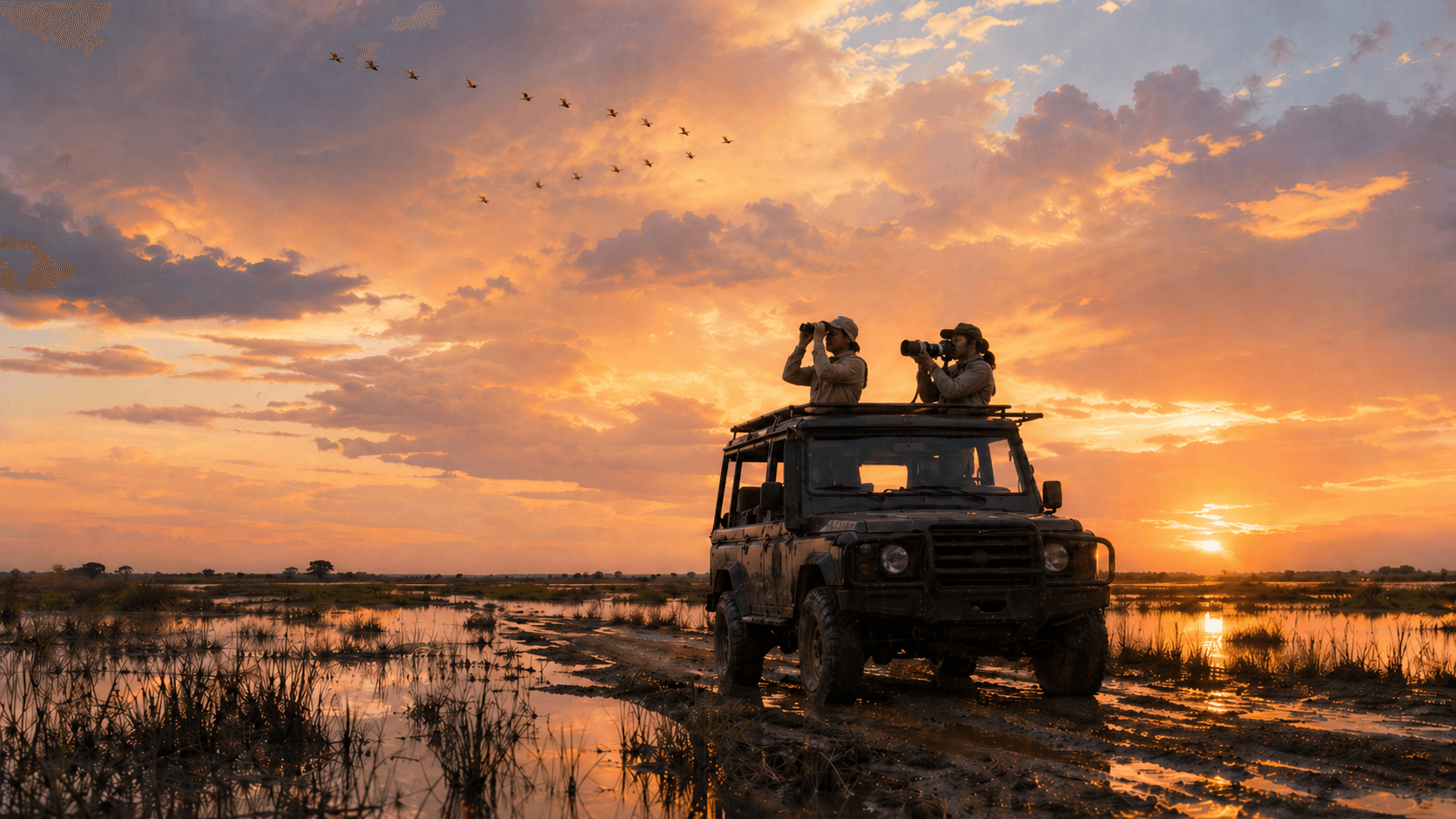
A Savanna Safari with South American Superstars
Los Llanos
Where in Colombia
The Region
About Los Llanos
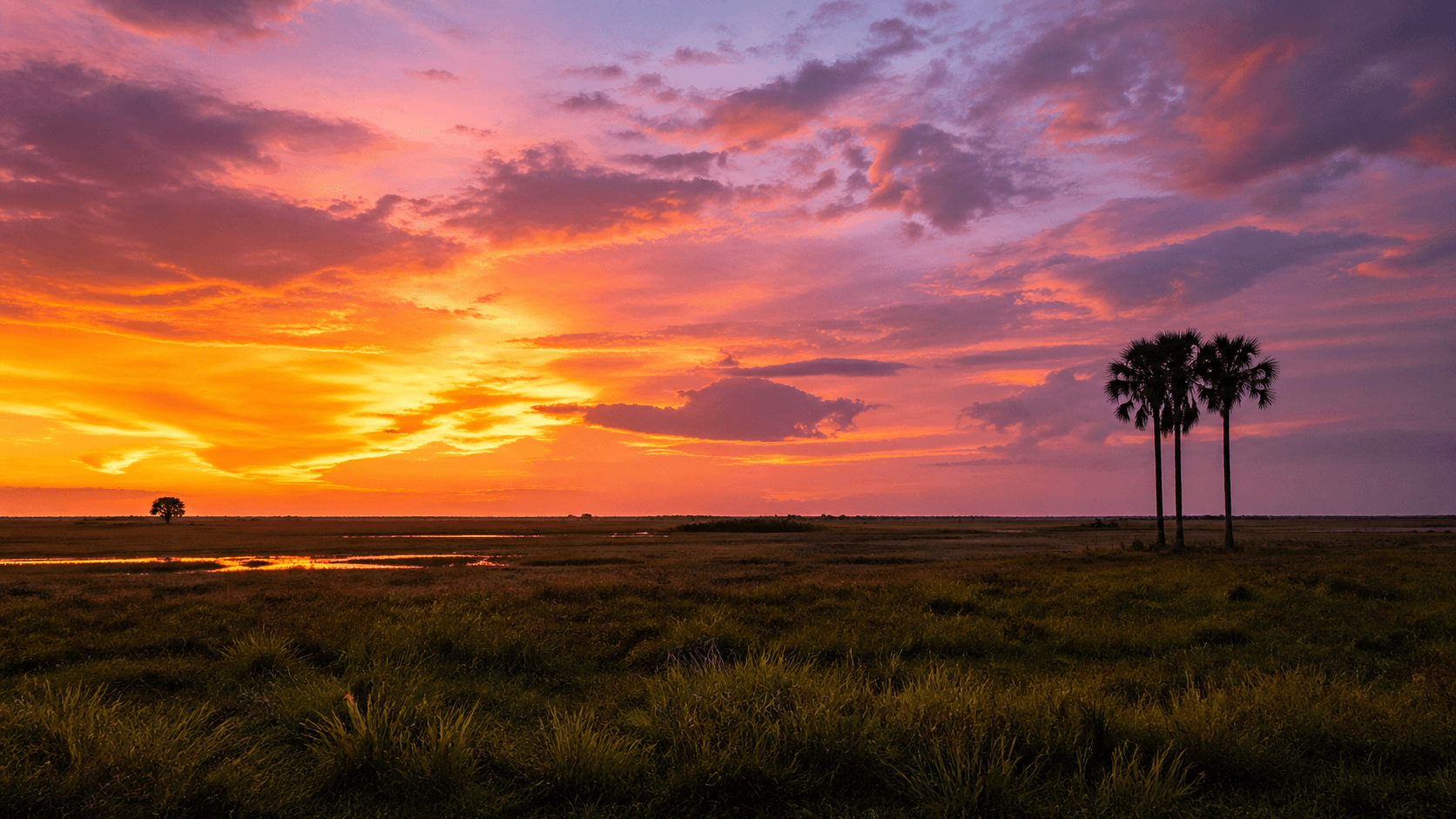
The Llanos of Colombia and Venezuela form one of the largest tropical grassland ecosystems in the world. During the dry season, wildlife concentrates around permanent water sources.
The Llanos Orientales stretch east from the Andes foothills into Venezuela — one of the largest tropical grassland ecosystems on Earth. During the dry season (December–March) wildlife converges on permanent waterholes in scenes that rival the Serengeti.
At a Glance
When to Go
Monthly birding intensity
Best stretch: Jan, Feb, Mar...
Ecosystems
Key Habitats
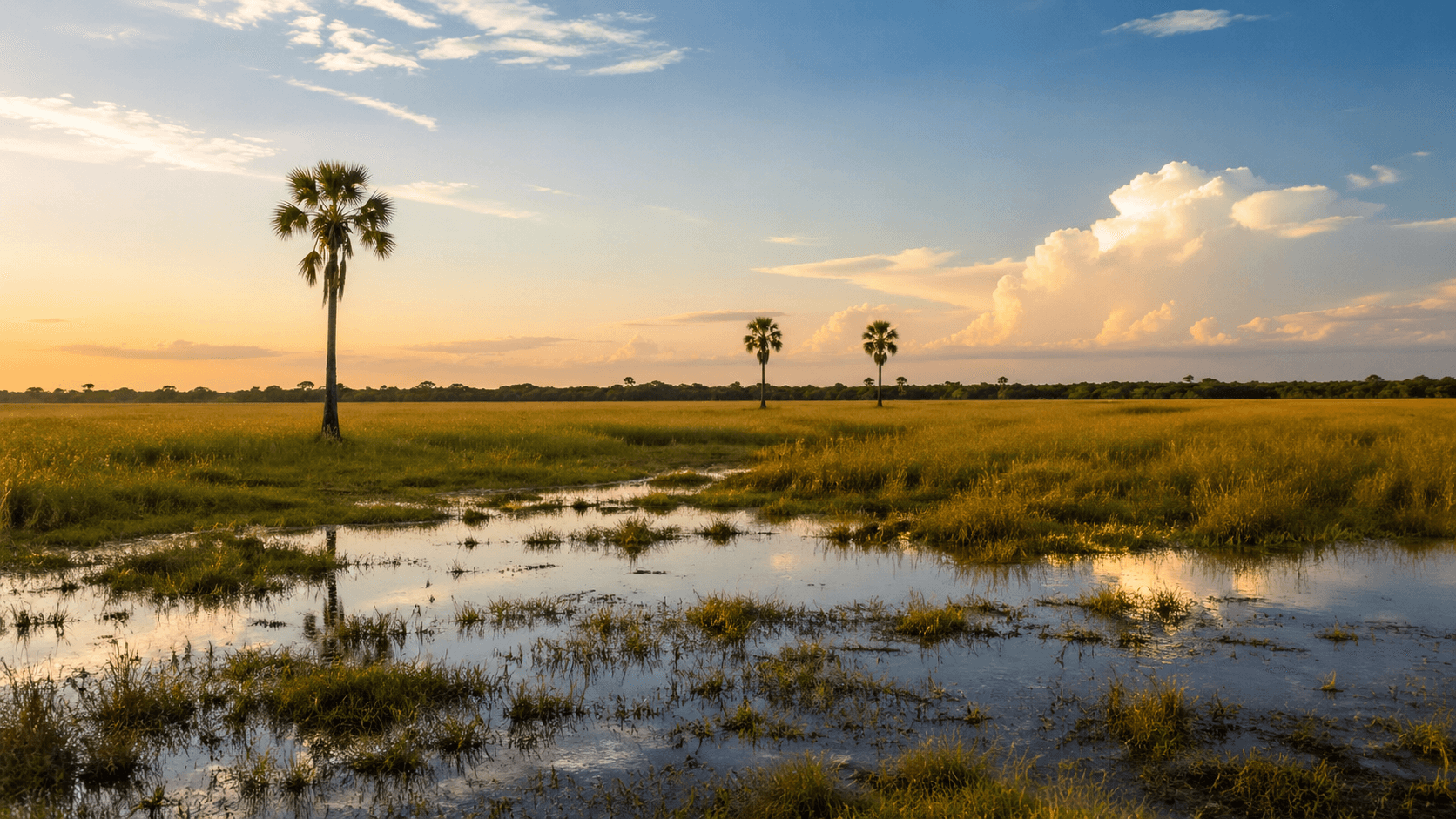
Tropical Savanna
Vast open grasslands with scattered palms. Red-footed tortoises, giant anteaters, and capybaras share space with hundreds of bird species.
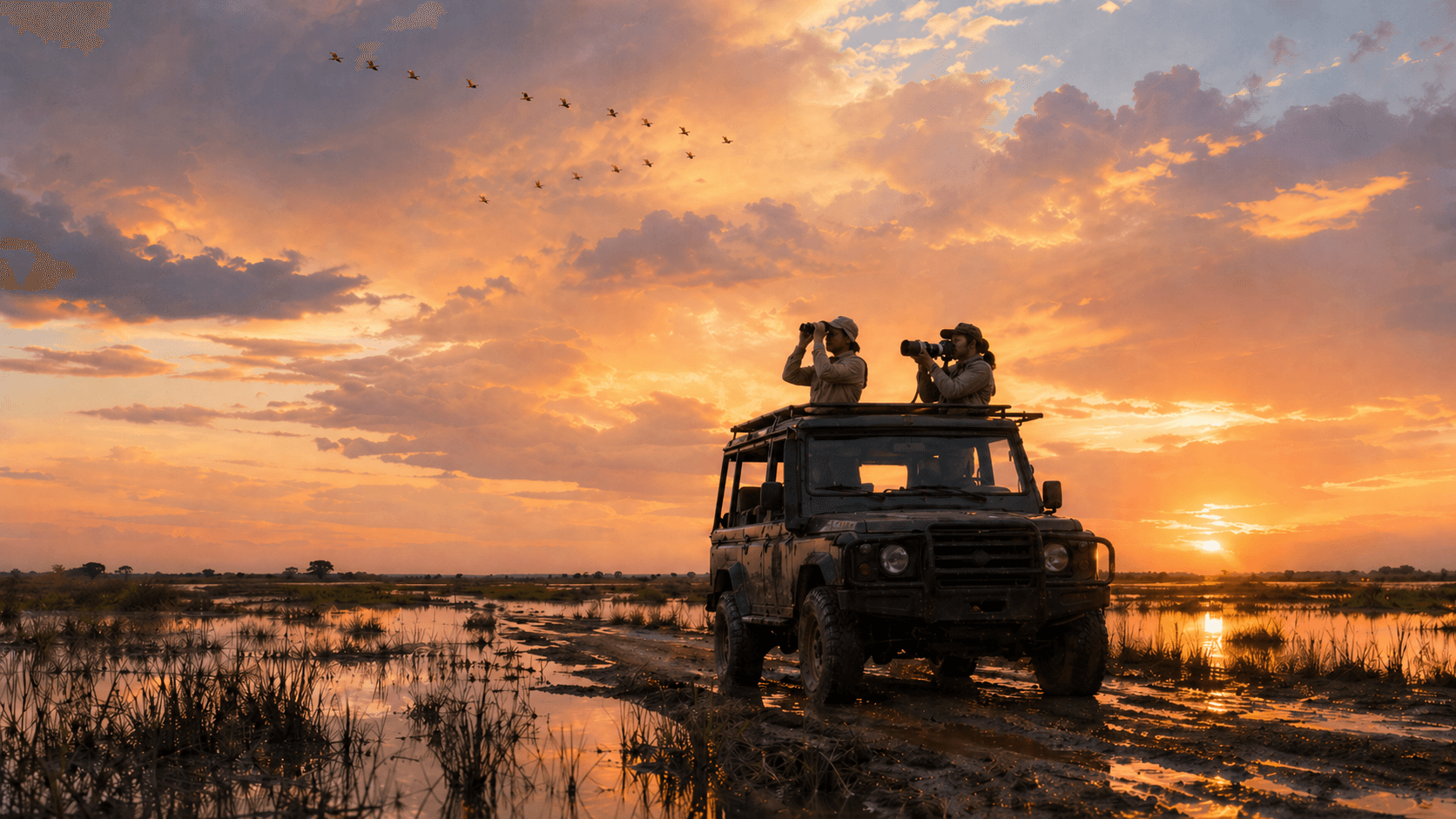
Seasonal Wetlands
Temporary lakes and marshes forming during the rainy season concentrate waterbirds in numbers that must be seen to be believed.
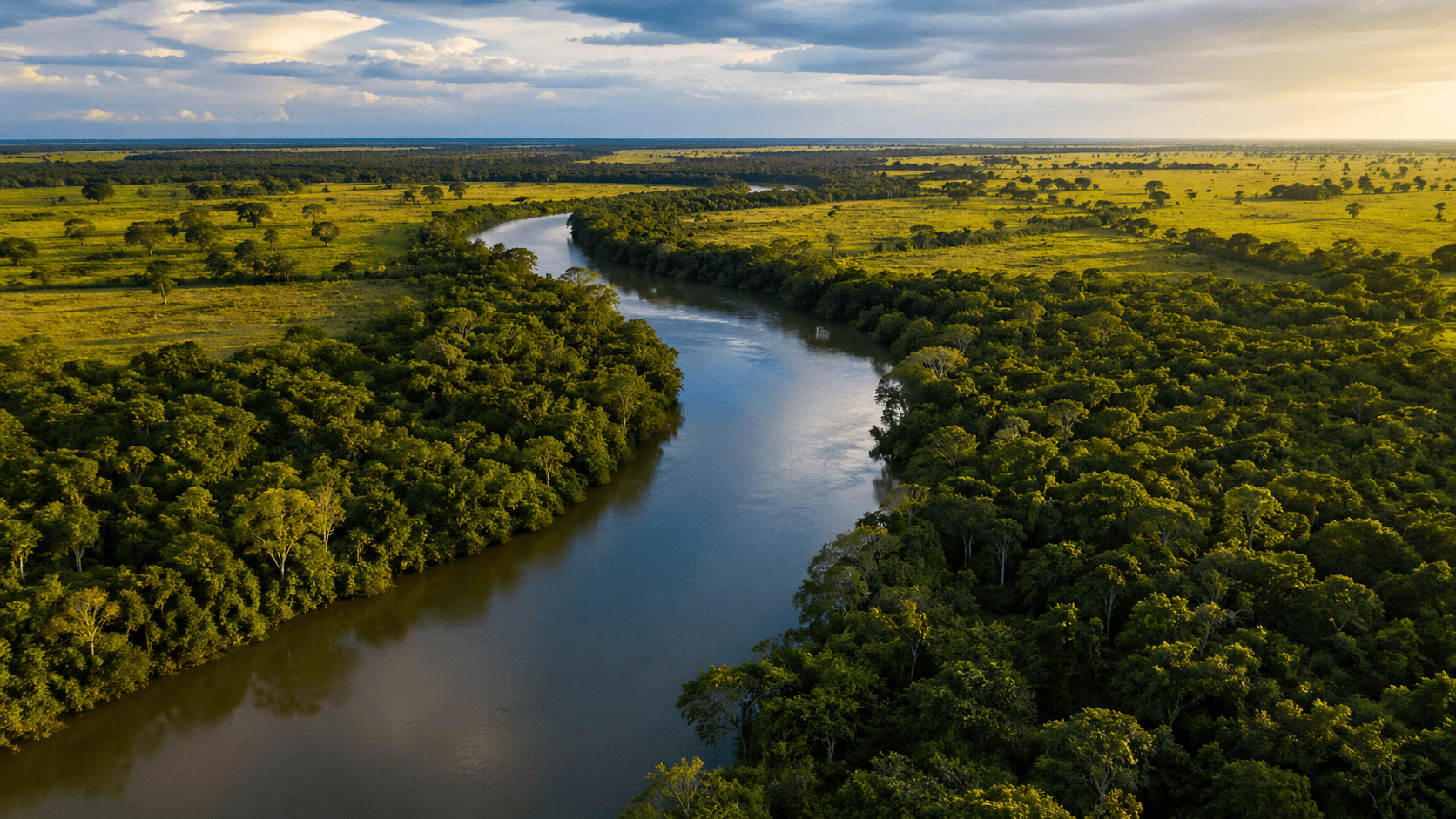
Gallery Forest
Ribbons of forest along rivers host raptors, parrots, and woodland species absent from the open savanna.
Moriche Palm Swamps
Moriche palms in wet depressions create micro-habitats for the Moriche Oriole and other specialist birds.
Target Species
Signature birds selected for Los Llanos and its habitats
By the Numbers
Species Diversity
Avian diversity breakdown for Los Llanos
Where to Bird
Key Birding Sites
Culture & People
Llanero culture is defined by the horseback cattle herder — the cowboy of South America. Hato (ranch) life centres on music, coleo (bull-rodeo), and the llano harp. Staying at a working hato gives front-row access to wildlife that urban tourism cannot match.
Practical Tips
- →December–March (dry season) is far better — wildlife concentrates at water
- →Stay at a working hato — owners have decades of wildlife knowledge
- →Sunrise and sunset game drives yield the most sightings
- →Bring insect repellent and a wide-brimmed hat — zero shade in the savanna
Regional Cuisine
Birding fuels the appetite. Between species counts, you'll eat like this:
- Mamona — slow-roasted whole beef, the llanero tradition
- Cachama fish (Colossoma macropomum) from the rivers
- Hayacas — cornmeal tamales in plantain leaf
- Chicha de maíz — fermented corn drink
- Queso llanero — fresh cow cheese with everything
Birding Highlights
Expert-Led Expeditions
Tours in Los Llanos
Ready to Go?
Plan Your Los Llanos Expedition
Every trip is crafted by local ornithologists who know exactly where to find each species.